The Nok: Africa’s First Animators and Why Modern Creatives Need to Pay Attention
The Nok: Africa’s First Animators and Why Modern Creatives Need to Pay Attention
Explore how the ancient Nok civilization of Nigeria can inspire Modern Animations with its Terracotta art, symbols and storytelling, shaping a new era of African visual Creativity.
Every once in a while, you find a piece of history that doesn’t just inform you it rearranges the furniture in your brain. That was me last week, sitting with a cup of hot chocolate, minding my business, and then suddenly falling headfirst into the world of the Nok civilization. I thought I was doing simple research. Instead, I ended up questioning the entire way Africa tells its creative story. Because here’s the truth: Nok artists were doing animation logic before animation existed. And once you see it, you can’t unsee it.
THE NOK “ANIMATION CODE” 2,000 Years Before Pixar
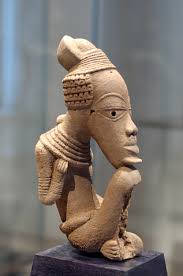
Let’s start with the basics. The Nok culture thrived in what is now central Nigeria between 1500 BC and 500 AD, a timeline widely supported by archaeological evidence from sites like Nok, Taruga, and Samun Dukiya. Their terracotta sculptures are famous, yes, but famous in a very “your teacher mentioned it for 60 seconds in SS2” kind of way. Not in the “this changes your understanding of African creativity” way it actually deserves. Look at any Nok sculpture carefully. You’ll notice:
• Oversized, expressive eyes
• Stylized proportions
• Dramatic hair and facial features
• Postures implying emotion or movement
• A sense of personality, almost like character design in modern animation schools, these techniques are literally taught as fundamentals.
Exaggeration = clarity.
Clarity = emotion.
Emotion = storytelling.
Nok mastered this without a syllabus.


THE SHOCKING PART: ARCHAEOLOGISTS COULDN’T BELIEVE THE DATES
When early 20th-century archaeologists began analyzing Nok terracotta, they ran into a strange problem: The art looked “too advanced” for the date range the soil tests were showing. Let that sink in. The art was so emotionally sophisticated, so intentionally stylized, that experts doubted their own scientific tests.
This tells us two things:
1. The Nok weren’t experimenting. They were refining. Their art had rules, patterns, a visual language.
2. This was an artistic tradition, not random talent. Meaning: the knowledge was taught, passed down, repeated.
That’s why I keep saying they were early animators. Animation isn’t drawing. Animation is bringing life to still things. And Nok terracotta has that “aliveness” baked into its design.
THE PART WE ARE UNDERESTIMATING TODAY
For decades, Africa’s creative industries, animation studios, illustrators, filmmakers have been conditioned to look outward for stylistic inspiration, Disney, DreamWorks, Animes, and the likes. Nothing wrong with that. But the deeper tragedy is: We have 3,000-year-old aesthetic DNA that we haven’t even tapped. Imagine a modern animated series inspired by Nok features:
• Exaggerated almond eyes
• Layered hair structures
• Symbolic posture
• Clay-like textures
• Expressive silhouettes
• Identity coded in geometry
It would be new, original, and undeniably African, rooted in history, not stereotypes. That’s what excites me: The realization that our creative future is hiding in our ancient past.


SO WHAT DOES THIS MEAN FOR AFRICA’S CREATORS TODAY?
Here’s the big insight: African Creatives aren’t starting from scratch, we’re starting from Nok.
We have:
• A historical blueprint for stylized character design
• An indigenous logic of emotional exaggeration
• A tradition of storytelling through form
• A visual philosophy that predates manga, Disney, or Western art academies.
It’s not that Africa is “joining” global creativity. We’re re-entering a space we pioneered before anyone bothered documenting it. And CYSTADS will be documenting and archiving this heritage so creators, animators, and designers can actually use it.
THE PUNCHLINE
The Nok didn’t have tablets. They didn’t have rendering software. They didn’t have character rigs. But they had clay. They had imagination. And they had the desire to give life to inanimate things. That’s animation in its purest form. Africa doesn’t lack inspiration, we just haven’t looked backward long enough to realize how far ahead we once were.
If you found this fascinating, I might just be breaking down how Nok’s design principles can be mapped into modern animation character sheets, with real examples.
Latest Posts
Timbuktu: The African City That …
03 Apr, 2026
We Were Here First: Africa …
21 Feb, 2026