When Africa Was the Center of Global Trade
When Africa Was the Center of Global Trade
Long before colonialism, Africa sat at the heart of global trade through trans-Saharan networks, gold economies, and powerful cities like Timbuktu.
Global Trade Did Not Begin With Ships
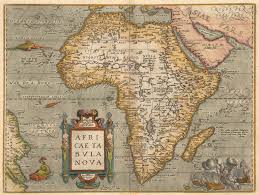
When people think of global trade, they often envision ships crossing oceans under European flags. However, before the age of Atlantic empires, the world was connected by land, and Africa sat at the centre of these connections. Long before European colonialism, Africa participated in, and in many cases controlled long distance trade systems that linked continents, economies, and ideas; this is not a romantic claim. It is a well-documented historical reality.
The Trans-Saharan Trade Network
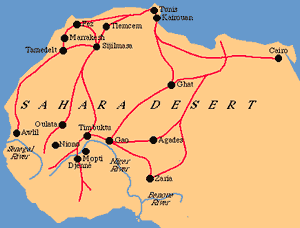
The most significant of these systems was the trans-Saharan trade network, active from roughly the 8th to the 16th century. This network connected West Africa, North Africa, the Mediterranean world, and parts of the Middle East. Crossing the Sahara was difficult, but not impossible. Over centuries, traders developed reliable routes, camel-based transport systems, and seasonal travel schedules. This turned the Sahara from a barrier into a bridge.
What Was Being Traded?
Historical records consistently identify several key commodities, like Gold from West Africa, Salt from Saharan mines, agricultural products, textiles, and manuscripts. Gold was especially important. West Africa was one of the world’s most significant gold-producing regions during the medieval period. This gold entered global circulation through African-controlled routes. Europe did not extract this wealth. It depended on it indirectly.
Timbuktu: A City Built on Trade and Knowledge
Timbuktu is often reduced to a symbol, either exaggerated or dismissed. The historical record presents a more grounded picture. Located near the Niger River, Timbuktu became a key stop in trans-Saharan trade, a centre of commerce, and a hub of learning. Trade-generated wealth and wealth supported scholarship. Manuscripts, teachers, and students moved along the same routes as goods. This combination of commerce and learning was not accidental. It was structural.
The Mali Empire and Economic Power
The Mali Empire, rising in the 13th century, controlled significant portions of West Africa’s trade corridors.
Key features of Mali’s economy:
• Regulation of gold production
• Taxation of trade routes
• Political stability
These systems allowed Mali to accumulate wealth internally. The famous pilgrimage of Mansa Musa revealed this wealth to the wider world; it did not create it. The empire’s prosperity was the result of organisation, geography, and policy, not luck.
Africa Was Economically Integrated, Not Isolated
Trade networks linked Africa to North Africa, the Middle East, and Mediterranean Europe
Evidence for this integration was manuscript circulation, shared commercial practices, and traveller accounts. Africa was not outside the world economy. It was part of its backbone.
Why This History Was Downplayed
Colonial narratives required Africa to appear economically inactive, dependent and undeveloped. Acknowledging Africa’s central role in pre-modern trade complicates those narratives. It shows that colonisation did not introduce Africa to the world economy; it restructured and exploited existing systems.
What the Evidence Supports
Mainstream historical scholarship agrees on several points:
• Africa was central to pre-modern long-distance trade
• Trade systems were sophisticated and regulated
• Wealth accumulation was indigenous
• European arrival disrupted, rather than created, African trade dominance
Why This History Matters Now
Understanding Africa’s trade past will help reframe African economic capability, challenge narratives of perpetual poverty, and provide historical grounding for modern economic debates. Africa did not wait to be included. It was already connected.
CYSTADS’ Perspective
History is not about exaggerating the past. It is about remembering it accurately. That is what CYSTADS is here to do.
Latest Posts
We Were Here First: Africa …
21 Feb, 2026
When Africa Was the Center …
03 Jan, 2026