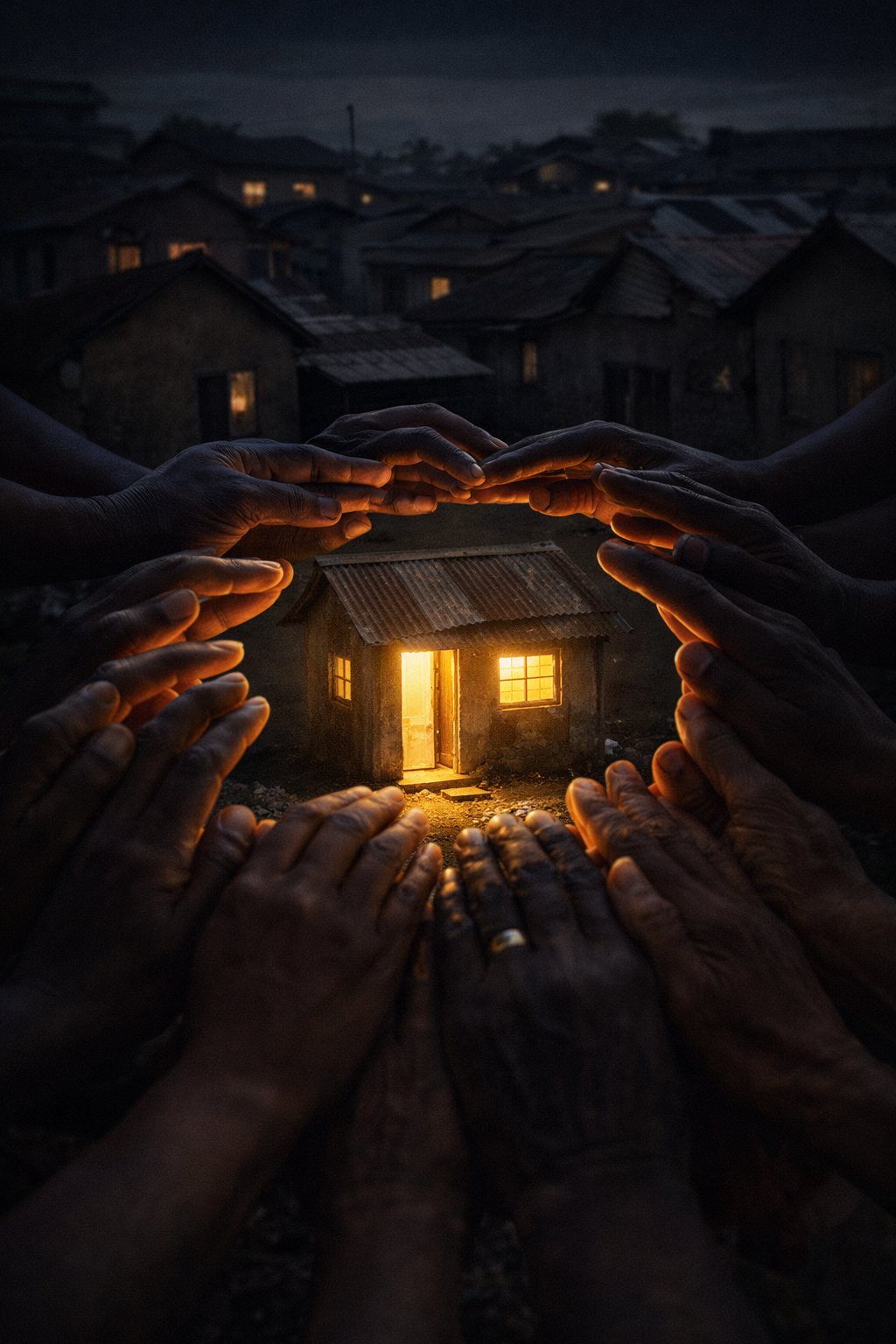
Beyond the headlines that shock a nation lie millions of private, silent crises. Turning witnesses into protectors may be our most urgent, untapped resource; but it requires navigating a complex reality.
The reported incidents of gender-based violence represent only the most visible fraction of a deep-seated continental crisis. For every case that shocks the public, countless others are endured in silence in homes and communities across Africa. Major studies, while acknowledging the inevitable challenges of underreporting and data collection, reveal a staggering scale: research indicates that over 79 million girls and women in sub-Saharan Africa have experienced sexual violence before turning 18, while broader analyses consistently show that over one in three African women will face physical or sexual violence in their lifetime.
Disclaimer: This analysis is based on aggregated data from major international and regional studies, which represent estimates subject to underreporting. A list of key sources is available from the author upon request.
These public cases are but the starkest headlines in a daily chronicle of private pain, underscoring a terrifying truth: the violence we see is a symptom of a much larger, often hidden, epidemic.
The Chasm: Between Pervasive Violence and the Silence of Data
To grasp the bystander's critical potential, one must understand the profound silence they inhabit. The available statistics, alarming as they are, are considered by experts to be conservative estimates. A significant portion of survivors across the continent never seek formal help, a silence enforced by stigma, fear of reprisal, and a lack of accessible, trusted services. This gap: between the prevalence of violence and its official recognition; is precisely where bystanders exist. The problem is frequently not a lack of laws (many African nations have progressive legislation) but a deep chasm in everyday enforcement and community courage, fuelled by socio-economic inequality and ingrained gender norms.
The Barriers That Paralyse: More Than Just Fear
What holds a person back when they see or suspect abuse? The psychology is complex, rooted in systemic forces.
· Fear & Diffusion of Responsibility: Fear of the perpetrator's retaliation or of social ostracization is powerful. This is compounded by the "bystander effect," where individuals in a group assume someone else will act.
· The Normalisation of Harm: When harmful gender norms frame violence as a "private matter" or a form of "discipline," intervention is seen as an overstep. These norms, which perpetuate the extremes of male dominance and control, are identified by global health bodies as a primary driver of violence.
· "It's Not My Place" and Cultural Complexity: A pervasive sense that domestic affairs are beyond communal concern is a major obstacle. Furthermore, some critics rightly caution that solutions designed with external, Western frameworks can fail if they do not resonate with local values and power structures. Effective intervention must be sensitive to this context.
A Spectrum of Action: Evidence and Its Limits
Becoming an active bystander is not about untrained heroism but learned responsibility. Practical frameworks, informed by evidence-based programs, outline a spectrum:
· Prevent: Challenging sexist jokes and harmful stereotypes in your circles. Community mobilisation programs, like the rigorously studied SASA! model in Uganda, have proven that shifting these ingrained social norms can lead to measurable reductions in violence.
· Respond: Safe, direct action: creating a distraction, expressing concern, or calling for help.
· Support: Believing survivors and helping them access services. This is critical, as survivors often face violence repeatedly.
However, an unbiased view must acknowledge that such programs are not a silver bullet. Opposing perspectives argue they can face cultural pushback, require long-term funding, and depend entirely on sustained, community-led adaptation to be effective and avoid unintended harm.
Building a Continent of Conscious Neighbours
The journey from passive witness to a node of protection is the practical core of the "stronger, more unified advocacy" we need. It requires moving beyond simple awareness to a more courageous, and more complicated, culture of care. This means advocating for better services while also saving a local helpline number. It means supporting national policies while teaching our children, through word and deed, that respect is non-negotiable.
We must hold two truths at once: the scale of the crisis is immense and documented, and the path to change is complex and context-specific. The safety of our communities may one day depend not on a distant law alone, but on the conscious, culturally intelligent choice of the person next door. That choice: informed, empathetic, and brave; is ours to make, from Cape to Cairo.
Social Norms & Etiquette
The Neighbour's Silence: Bystanders and the Scale of Unseen Violence in Africa
By Abdulsalam Bello • January 1, 2026
The cry through the wall is part of a hidden epidemic.For every public headline, countless others are silenced. Data reveals a continent of silent pain. The real barrier? Our hesitation to act. Read the full gist!